The Jacquard machine is a device fitted to a loom that simplifies the process of manufacturing textiles with such complex patterns as brocade damask and matelassé. The resulting ensemble of the loom and Jacquard machine is then called a Jacquard loom.
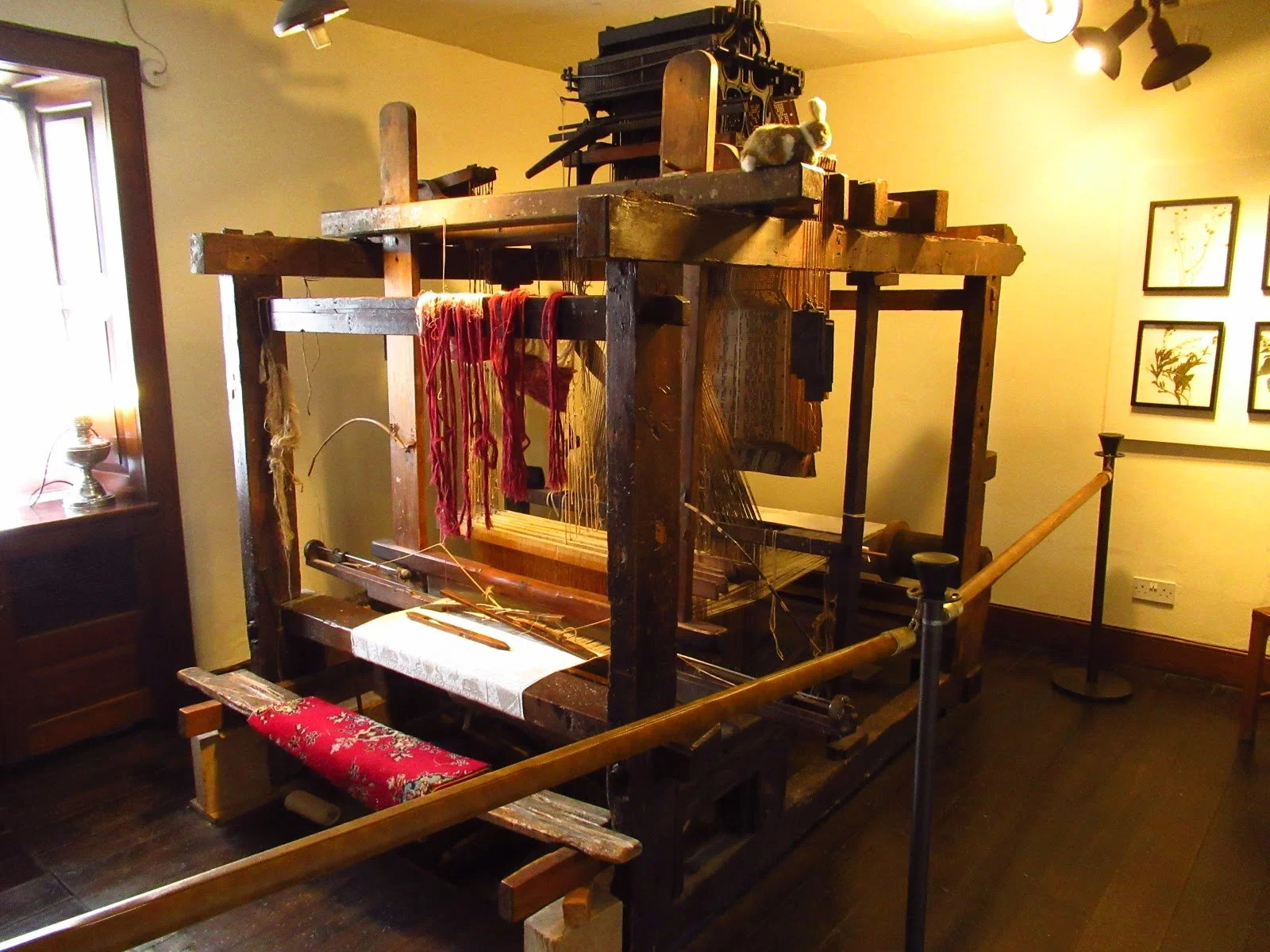
Jacquard loom at Andrew Carnegie Birthplace Museum
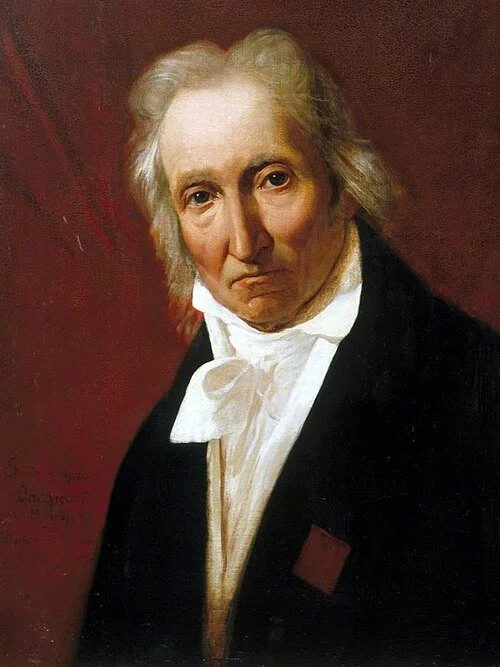
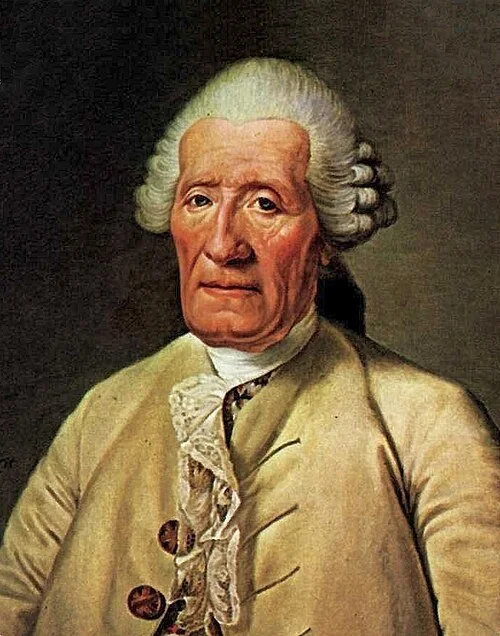
Insert photograph of the Jacquard Loom
The machine was patented by Joseph Marie Jacquard in 1804, based on earlier inventions by Frenchmen Basile Bouchon (1725), Jean Baptiste Falcon (1728), and Jacques Vaucanson (1740).
The machine was controlled by a ‘’chain of cards’’; a number of punched cards laced together into a continuous sequence. Multiple rows of holes were punched on each card, with one complete card corresponding to one row of the design.
Both the Jacquard process and the necessary loom attachment are named after their inventor. This mechanism is probably one of the most important weaving innovations. Jacquard shedding made possible the automatic production of unlimited varieties of complex pattern weaving. The term ‘’Jacquard’’ is not specific or limited to any particular loom, but rather refers to the added control mechanism that automates the patterning. The process can also be used for patterned knitwear and machine-knitted textiles such as jerseys.
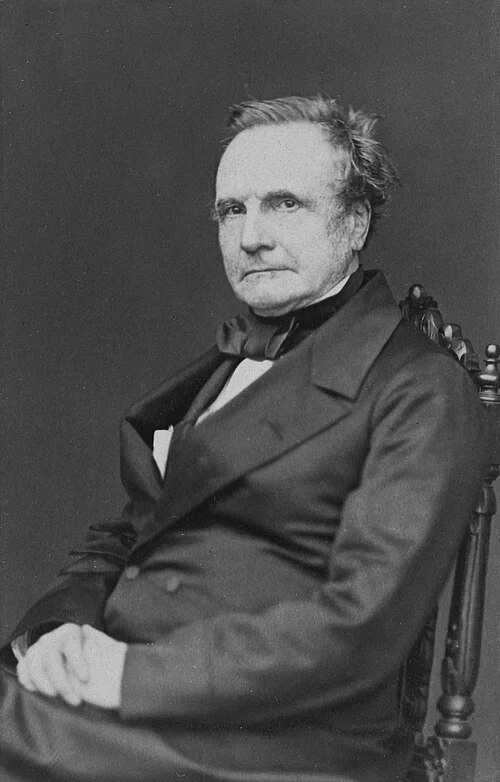
This use of replaceable punched cards to control a sequence of operations is considered an important step in the history of computing hardware, having inspired Charles Babbage’s Analytical Engine.
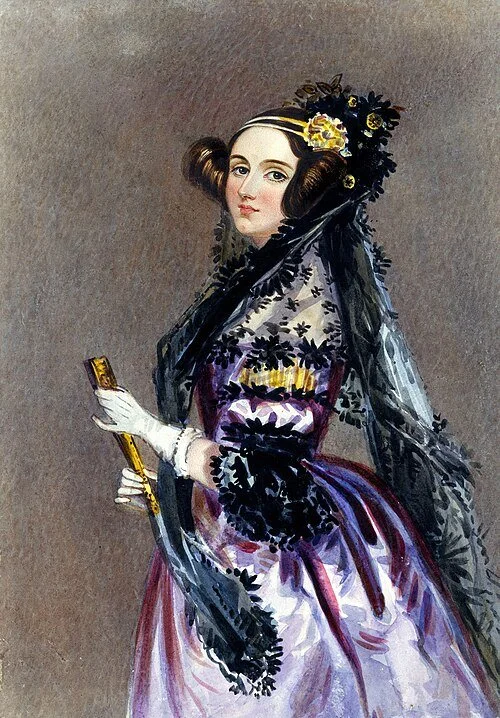
Ada Lovelace met and corresponded on many occasions with Charles Babbage. She was fascinated by the university of his ideas and, interested in his work, began to study the methods of calculation that could be achieved with the differential engine and the analytical engine. Babbage was impressed by Lovelace’s intelligence and skill: he dubbed her The Enchantress of Numbers and in 1843 wrote to her “Forget this world and all its troubles and if possible its multitudinous Charlatans—every thing in short but the Enchantress of Numbers.”
Traditionally, figured designs were made on a drawloom. The heddles with a warp ends to be pulled up were manually selected by a second operator, the draw boy, not the weaver. The work was slow and labour-intensive, and the complexity of the pattern was limited by practical factors.
The first prototype of a Jacquard-type loom was made in the second half of the 15th century by an Italian weaver from Calabria, known as ‘’Jean le Calabrias’’, who was invited to Lyon by Louis XI. He introduced a new kind of machine in which was able to work the yarns faster and more precisely. Over the years, improvements to the loom were ongoing.
The Jacquard handloom on display in the cottage was installed in 1928 by the textile department of Dunfermline's Lauder Technical College and can be accessed by families and friends.
Written by Jenni Payne while doing work experience at The Andrew Carnegie Birthplace Museum.